The Password Is on the Phone: A Blackout, a Waterproof Case and the Three-Minute Test Every Household Backup Should Pass
A storm, a dead router and an encrypted drive nobody else could open. J-Mark on the three-minute test every household backup should pass, with nothing but supplies you already own.
*The opening scene is fictional. The drill can be run with supplies you already own.*
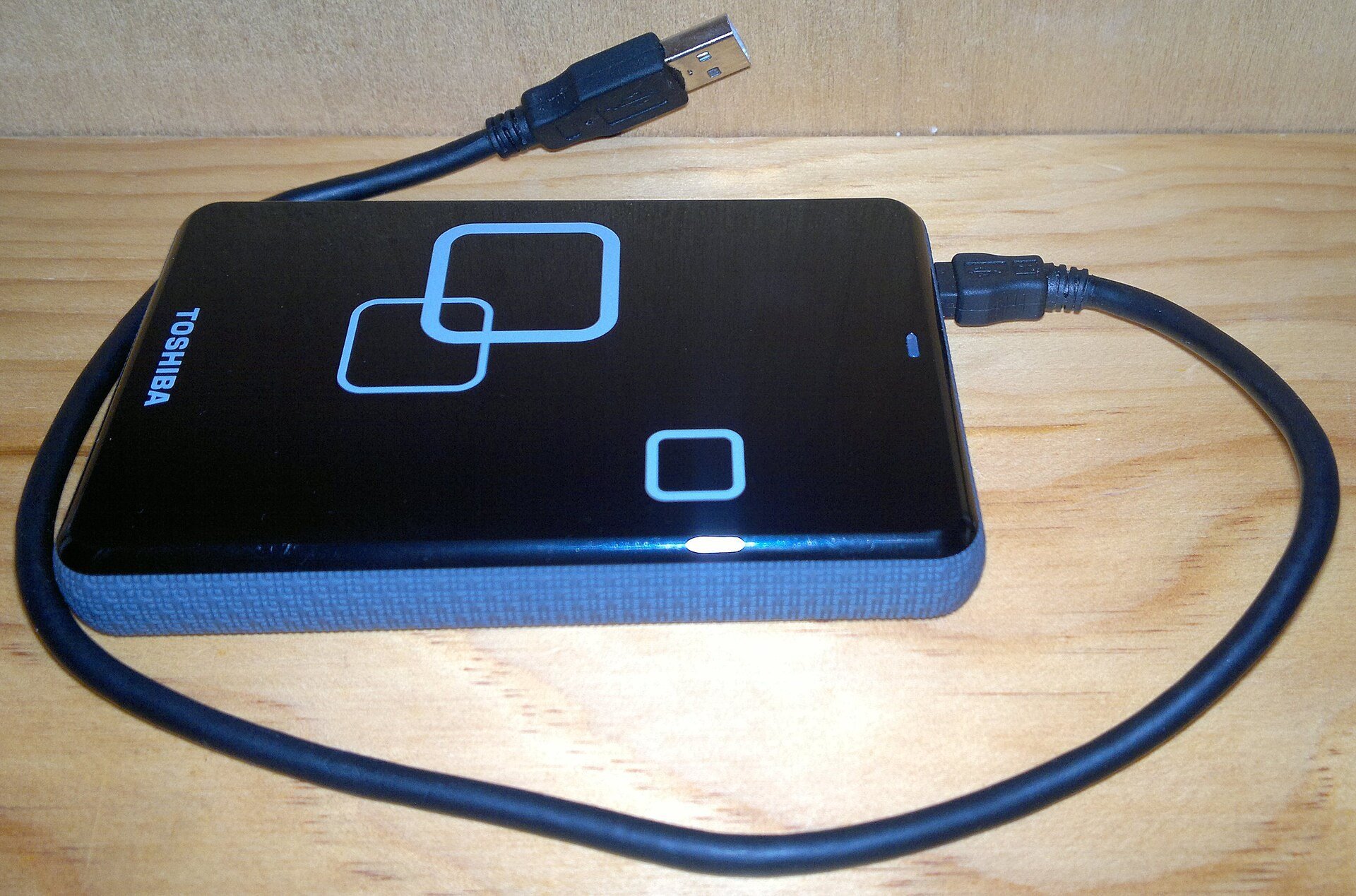
By the time we found the external drive, we had found four cables for a printer we no longer owned. The drive was in a zippered case with a two-inch American flag on it. I had paid extra because the case was waterproof. The drive was dry. I would like that entered into the record.
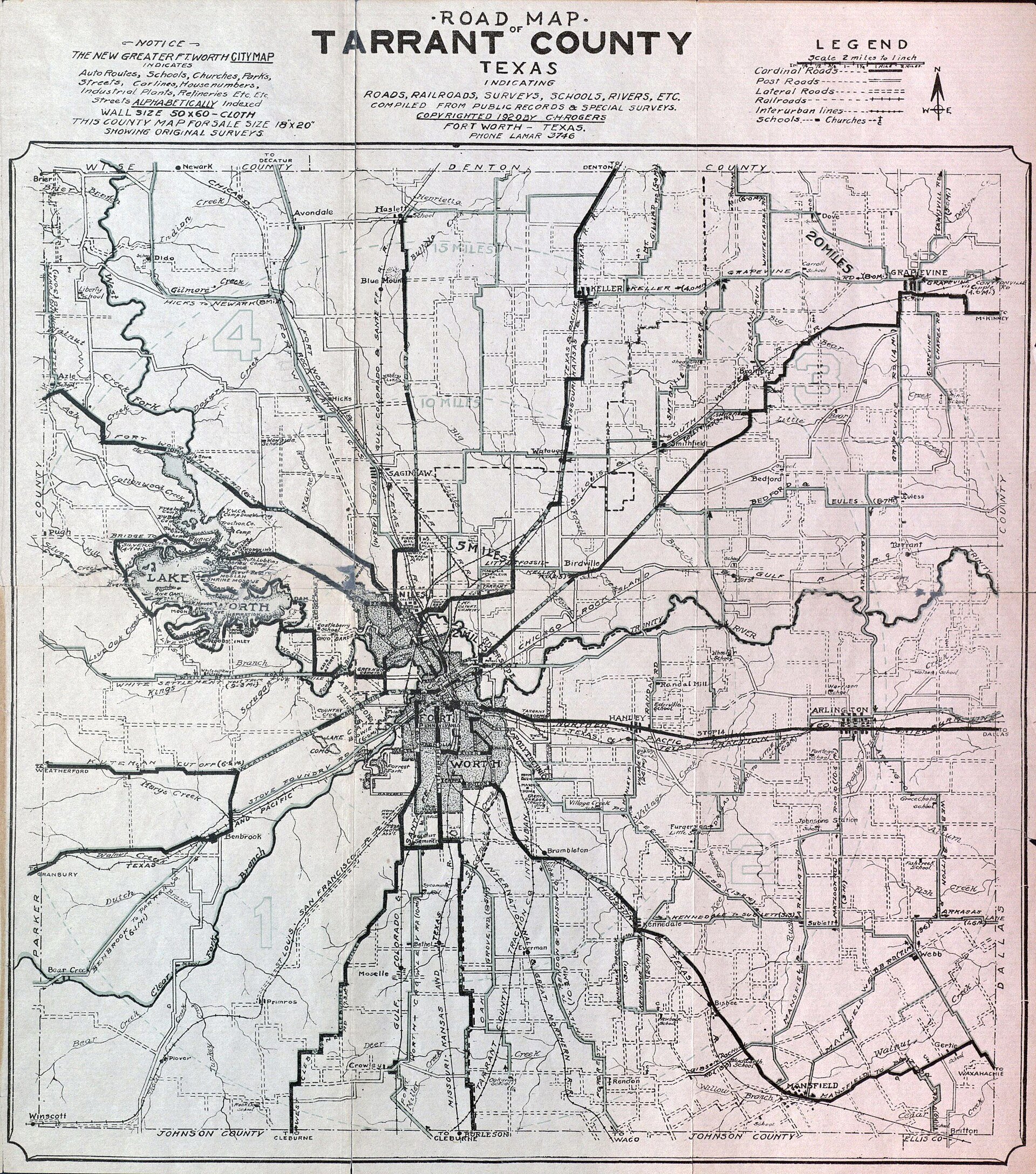
The power had been out since supper. My wife wanted the road map we'd saved before the storm. She was trying to remember which streets reached the highway without taking the low crossing. The Mac had some charge. Our youngest sat at the table wearing a headlamp backward because the elastic itched. He had lit up a section of kitchen wall where, in more prosperous times, we'd kept a clock.
I told my wife the password was on my phone. On the porch I remembered that she had taken the car, which was where I usually left my phone. I went back in and asked where she'd put the keys. She held them up. The car was in the driveway. I had invented a small piece of her afternoon because I didn't want to admit I'd lost track of mine.
We had good reasons to encrypt that drive. It held tax papers, identification and other things I'd hate to leave behind in a motel. It also held a public road map. To look at the map, the other adult in the house needed my computer, my phone and the correct entry from a password vault in which I had named two different things "External Drive." I had written the instructions for someone with my exact habits and a much better memory.
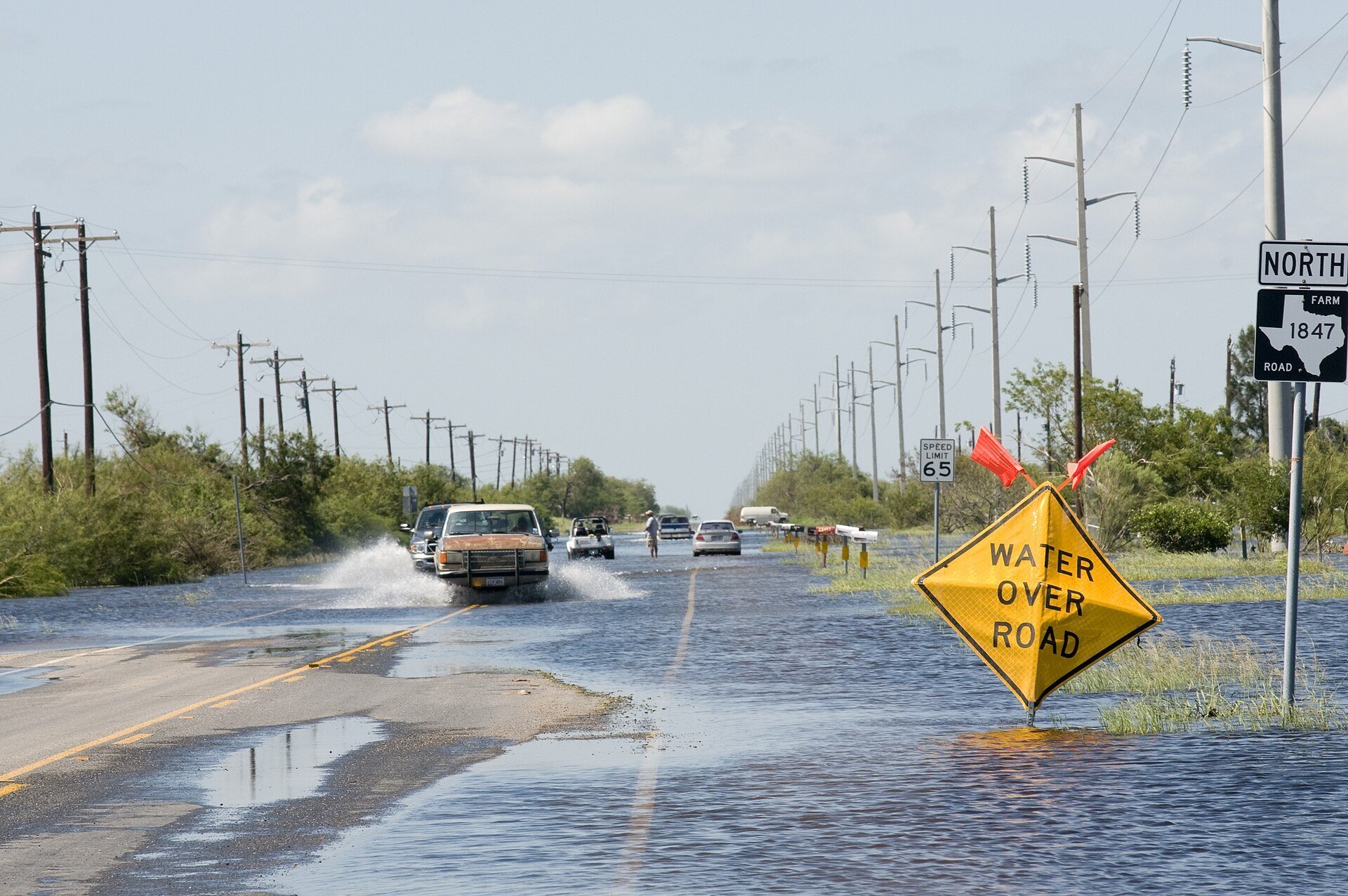
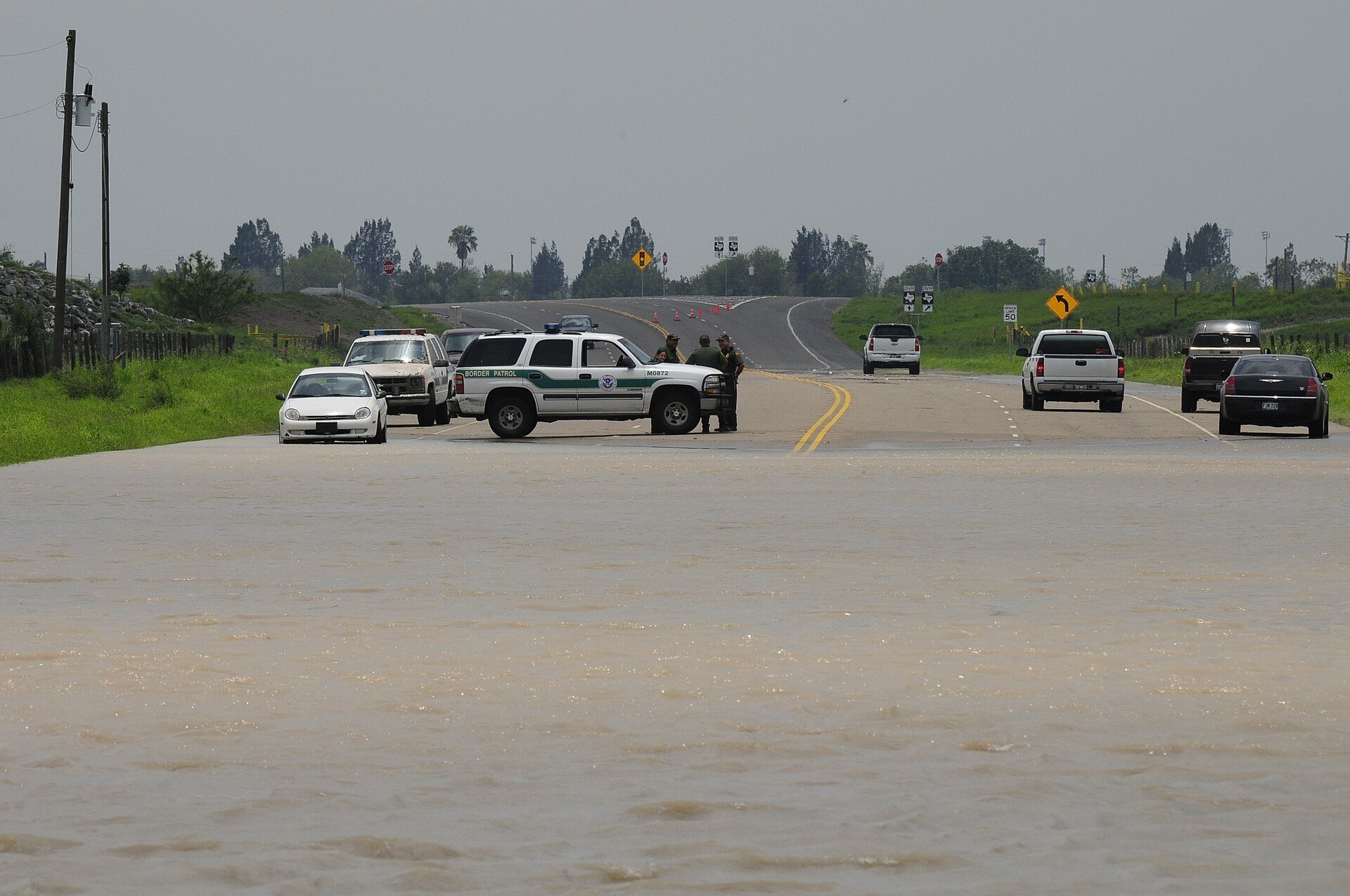
A saved map can show where a road goes. A current report can tell you whether a road authority has closed it. During a flood, water can rise faster than any saved or online map can account for. The National Weather Service is plain about it: follow local instructions, move to higher ground if water is rising around you, never cross floodwater on foot or in a vehicle, and never drive around a barricade. Turn around, don't drown. In Texas, DriveTexas carries highway conditions for state-maintained roads. Keep the local road authority or emergency management contact for county and city streets. If you can't verify conditions, mark them unknown.
While my wife checked for a county alert, I stood in the laundry room listening to rain hit the metal cover over the dryer vent. It sounds exactly like water running inside the wall. Every storm I give it a minute to decide whether I need to call the man who installed it. I found the phone on the dryer. Nothing about the backup plan had worked any better with it in my hand.
What can someone else open?
The next morning we put a public map and official contact numbers on paper and marked the date on both. A second copy went into a clearly named folder the other adult could open offline. The private records stayed encrypted. We arranged an independent, secure way for an authorized adult to recover them and practiced on a dummy file.
The CISA ransomware guide calls it critical to keep offline, encrypted backups and to test them regularly. The household version also needs to account for the fact that somebody else may be the one opening the file.
An offline AI can pull street names from an old map or organize a list of contacts you give it. A question about an active closure requires current information from an authority. Try it: ask your model about a closure while giving it only the saved map. If it confidently clears the road, you have learned something important about the computer while still sitting at your kitchen table.
The three-minute test
- Choose a public map or emergency contact sheet. Save it locally, write down the date, and make a paper copy if you can.
- Disconnect Wi-Fi, Ethernet and tethering. Put the usual operator's phone away. Have another authorized adult find the file, open it and read the date in three minutes using only the instructions you left.
- Ask who can confirm current conditions. Run the paper fallback, too. If your drill includes private records, use a dummy document to test the authorized recovery path.
- Write down the first thing that blocked the exercise. Fix it and repeat the test. The cost is $0 using existing equipment, paper and ink. If you have no printer, handwrite essential contact information and arrange a paper map separately.
For the story's family, the second drill took forty seconds. My wife said it would have taken thirty if I hadn't spent ten seconds asking whether she wanted help.
And Remember:
Trust no Single Source
Trust Your Gut
and Stay Curious
J-Mark
For media enquiries, please contact:
UK - 020 3404 2295
USA - 0650 702 7445
AUS - 02 9072 9499
Help Support J-Mark and the rest of our Authors by visiting the store to get your copy of the latest Anonymous Author Novel or Anything Anonymous.