
Doomsday Prepping 110: Surviving the Silence: Mastering Post-Disaster Communication Strategies for Every Scenario
How to stay connected when the power is out and the cell towers are down: plans, tools and post-disaster communication strategies.

When disaster strikes, it’s not just the physical world that gets turned upside down; the lifelines of modern society—our communications—often snap like fragile threads in a cosmic game of tug-of-war.
Imagine, if you will, a world where your smartphone clings to you, not for its life, but for yours, morphing from a device often cursed for its distractions into a beacon of hope, a digital life raft adrift in a sea of chaos.
It’s in these moments, amidst the howling winds of change or the deafening silence of a blackout, that we realize just how much we take the buzzes, beeps, and rings for granted.
Now, picture this: The power’s out, cell towers are down, and the internet has gone on an extended vacation without leaving a note.
This isn’t the beginning of a low-budget horror movie; it’s a reality many face when disaster hits.
And yet, despite the dire scenario, there’s room for a chuckle or two—like how Aunt Edna’s years of hoarding canned beans might finally pay off, or the fact that your extensive collection of scented candles is suddenly worth its weight in gold.
This article dives deep into the whirlpool of post-disaster communication, pulling out pearls of wisdom on how to stay connected when the rest of the world seems to have hit the "mute" button.
We're not just talking about keeping your tweet streak alive; we're exploring the nuts and bolts, the smoke signals and carrier pigeons of our time, to ensure that when Mother Nature throws a tantrum, your message doesn’t get lost in translation.
From makeshift message boards to the high-tech ham radios that suddenly become the hottest ticket in town, we'll navigate the maze of keeping in touch when it feels like the universe is holding the "End Call" button.
So, buckle up, charge your devices (while you still can), and let’s embark on a journey to unravel the mysteries of communication in the aftermath of a disaster.
Because, at the end of the day, being prepared is no laughing matter—though, it doesn’t hurt to find a little humor in the havoc.

Understanding the Communication Breakdown
The Domino Effect of Disasters on Communication Networks
Imagine the world's communication network as an intricate spider web, shimmering with morning dew, each strand representing the lifelines that keep us connected.
Now, picture a disaster—the foot of fate, if you will—stomping down.
This majestic web doesn’t just break; it disintegrates, leaving our digital spiders bewildered and stranded.
Disasters, be they furious hurricanes, shaking earthquakes, or stealthy cyber-attacks, don't just disrupt our daily lives; they obliterate the very foundations of our modern communication infrastructure.
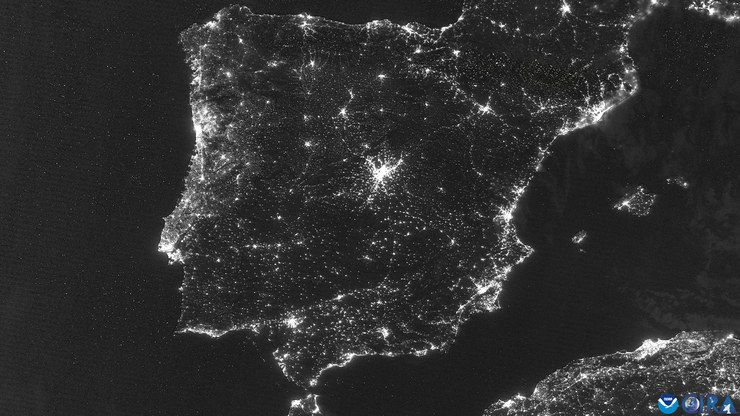
These calamities create a domino effect.
One tower down can silence thousands of voices.
A flooded power station plunges communities into darkness, cutting off not just electricity but the digital dialogue we’ve come to rely on.
And let’s not forget cyber-attacks, the silent storms that can leave our virtual spider webs in tatters without warning.
As these strands snap, we find ourselves isolated islands in a vast, silent ocean, proving just how fragile our connections can be.

Examples from History
History is littered with tales of communication failures in the face of disaster, each story a lesson wrapped in the grim humor of hindsight.
The Titanic's Distress Calls: As the unsinkable ship met its icy fate, distress calls were sent out into the night.
Yet, due to a mix of ego, poor communication, and sheer disbelief, help arrived too late.
It's morbidly funny to think that today, a tweet might have saved the Titanic—#IcebergRightAhead.
Hurricane Katrina’s Silence: When Katrina hit, it didn’t just flood New Orleans; it washed away the means to communicate.
Amidst the chaos, emergency services struggled to coordinate, and families were left to wonder about the fate of their loved ones.
Perhaps a carrier pigeon service would have fared better, assuming the pigeons were okay with getting a little wet.

The Great Northeast Blackout of 2003: A cascading power failure left millions without electricity, yes, but more critically, without a way to call, text, or email.
People were forced to interact face-to-face, a scenario so shocking it’s almost comedic.
“Remember when we had to talk to each other?
Scary times.”

These historical hiccups highlight not just the importance of robust communication networks but also the need for a good backup plan—and maybe a sense of humor.
Because sometimes, all you can do is laugh to keep from crying.
Pre-Disaster Preparation
In the quiet before the storm, when the birds still sing and the Wi-Fi still hums, lies the golden hour of disaster prep.
It's a time to plan, to ponder, and perhaps to teach your family parrot some new, life-saving phrases.
Creating a Communication Plan
Step 1: Identify Your Team
Gather your household, your extended family, or your end-of-the-world buddy comedy cast.
Make sure everyone knows they're part of the A-Team (or at least the B+ team).
Step 2: Choose Your Channels
Decide on primary and secondary means of communication.
And yes, this is the perfect opportunity to nominate the family parrot, Polly, as the backup messenger.
Just ensure Polly knows more phrases than "Polly wants a cracker."
Step 3: Establish Meeting Points
Pick two locations: one nearby and one a bit farther away, just in case your neighborhood turns into a scene from a disaster flick.
Bonus points if one location is a pizza place—nothing says "post-apocalypse reunion" like shared pepperoni slices.
Step 4: Practice Makes Perfect
Run drills.
Yes, really.
It might feel silly pretending your living room is now a post-tornado wasteland, but it's better than figuring it out on the fly.
Plus, watching Grandpa navigate the obstacle course can be the highlight of your week.
Tech and Non-Tech Tools
Tech Tools:
Satellite Phones: Can call out when cell towers have taken a holiday.
Con: Might require selling a kidney to afford one.

Ham Radios: Let you chat across the globe without the internet.
Con: May also invite unsolicited advice from amateur radio enthusiasts named Chuck.
Non-Tech Tools:
Message Boards: Not the internet kind.
The literal board where you pin messages.
Pro: Simple and effective.
Con: You actually have to write.
With a pen.
Flares:
Pro: Great for signaling when in distress.
Con: Also great for accidentally starting forest fires.
Remember, we're aiming for less disaster.
And the Winner Is…
Why not both?
Tech for day-to-day communication and non-tech as a solid backup.
It’s like having both a dishwasher and knowing how to wash dishes by hand—useful redundancy.
Emergency Contact Lists
Sure, your phone knows more about your friends and family than you do, but when it's dead, you'll wish you'd gone old school.
Here's a radical idea: write down those numbers.
On paper.
Or, for those committed to never forgetting, tattooing essential contacts on an inconspicuous part of your body could work.
Just maybe skip including your ex's number this time.
Steps to List Nirvana:
1.
Gather Numbers: All the essentials—family, friends, neighbors, the local pizza joint.
2.
Write Them Down: In a notebook, on a piece of paper, or a fancy scroll if you’re feeling extra.
3.
Make Copies: Store them in your emergency kit, your wallet, and yes, maybe even consider that tattoo.
Or embroider them into a family heirloom blanket—cozy and practical.
The Bottom Line:
Pre-disaster preparation might sound like a drag, but think of it as insurance against future headaches.
Plus, it’s an excuse to get creative with communication methods.
Who knew disaster prep could be so entertaining?
Immediate Post-Disaster Communication Strategies
When the dust settles, and you've confirmed that your abode isn't suddenly a trendy open-air concept courtesy of Mother Nature, it's time to get chatty—or at least as chatty as one can be when the usual tech toys are taking a nap.
Assessing the Situation
1.
Roll Call: First things first, make sure your crew is all accounted for.
This isn’t the time for a Marco Polo game; efficiency is key.
And remember, shouting at the top of your lungs is not a strategy—it's a last resort, and frankly, your neighbors already think you're odd.
2.
Initial Status Check: Assess immediate needs and risks.
This is a good time to break out that emergency communication plan you all laughed about making.
Who’s laughing now, huh?
3.
Reach Out: Use whatever means you have to contact local authorities and let them know your status.
If your go-to move is to post a dramatic weather update on social media, consider this an upgrade.
Utilizing Technology Wisely
We've all been there—your phone's at 4%, and you're not sure if you should call for help or finish watching that cat video.
Here’s how to avoid making a regrettable decision:
1.
Power Priorities: Your phone is now a lifeline, not an entertainment center.
Resist the urge to check if the internet has funny disaster memes.
Spoiler: it does, but you don’t need them now.
2.
Smart Charging: Solar chargers, car chargers, and hand-crank chargers are your new best friends.
Treat them well, and they’ll keep your digital lifelines open.
Remember, using your last bit of car battery to charge your phone might not be wise if you actually need to, you know, escape.
3.
The Tale of the Last Battery: Let’s talk about Bob.
Bob had one charge left on his phone and chose to livestream the blackout party he threw instead of saving it for emergencies.
Don’t be like Bob.
Be smart with your battery life.
Alternative Communication Methods
When the tech is down, it's time to go old-school, or as the hipsters say, "vintage."
1.
Runners: No, not the morning jog type.
Designate swift-footed individuals to carry messages between groups.
Just make sure they know it’s not a race.
2.
Signal Fires: A nod to our ancestors who knew how to party without Wi-Fi.
A carefully controlled fire can signal for help—or invite everyone to the world's saddest barbecue.
Warning: Do not attempt in dry, fire-prone areas unless you want to explain to firefighters how your SOS became an OMG.
3.
Creative Signaling: Mirrors, flashlights, even colorful sheets can be used to signal aircraft or distant helpers.
If you’ve ever wanted to choreograph a flashlight dance for a rescue helicopter, this might be your moment.
4.
Carrier Pigeons: Okay, so maybe not literally, but if you happen to have a bird trained for message carrying, who are we to judge?
For the rest of us, figuring out non-tech communication methods that work can be a fun exercise in creativity and resourcefulness.
The Key Takeaway
Post-disaster communication is about making the most of what you have, whether it's conserving battery life, igniting a well-placed signal fire, or sending runners with messages strapped to their arms.
Remember, the goal is to connect, not to start another disaster in the process.
And seriously, save the shouting for when you find out your favorite TV show survived the apocalypse unscathed.
Long-Term Communication Strategies
As the immediate chaos of a disaster begins to settle, the need for a stable, long-term communication strategy becomes clear.
It's like realizing you've been surviving on snack food and the adrenaline of the moment; eventually, you crave a real meal—or in this case, a real chat.
Rebuilding Community Networks
Communities, much like a troupe of amateur theater actors, find strength and resilience in numbers.
The rebuilding of community networks post-disaster isn't just beneficial; it's crucial.
Imagine the first edition of the post-apocalyptic neighborhood newsletter, "The Bunker Times," featuring gardening tips for your fallout shelter and a comic strip about the quirky antics of life without electricity.
Building Blocks for Resilient Networks:
Shared Communication Hubs: Establish places where people can come to communicate, like a modern-day town crier, but with less shouting and more battery-powered radios.
Community Training Sessions: Because everyone should know how to use a ham radio or send a smoke signal—bonus points if you can make it into a community event with disaster-themed snacks.
Leveraging Ham Radio Networks
Ham radio operators, often seen as the hobbyists in their basements twiddling knobs and speaking into giant microphones, are actually the unsung heroes of disaster recovery.
With their extensive networks and knowledge, they can create communication lifelines when all else fails.
It's their time to shine, and shine they do, possibly while wearing a vest full of patches from all the disasters they've communicated through.
"Ham Radio Hero" might not be the blockbuster summer movie we asked for, but it's the one we need.
Why Ham Radios Rock:
Global Reach: They can connect across continents, making them indispensable for international disaster response.
Resilience: Ham radios don’t need the internet or a cell network, just skill, patience, and perhaps a bit of luck.
Innovative Solutions from Around the World
When push comes to shove, disaster has a way of turning ordinary folks into communications MacGyvers.
Across the globe, communities innovate, creating solutions that make the tech-savvy weep with joy.
Mesh Networks from Smartphones: In places hit by disaster, smartphones transform from selfie machines to nodes in a mesh network, passing messages across a makeshift internet.
It's like a game of digital telephone, where the stakes are real, and the connections are made of determination and duct tape.
Drone Messaging Services: Drones, not just for breathtaking landscape shots anymore, become couriers, delivering messages and supplies.
Imagine getting your post-disaster pizza delivery via drone.
The future is now, and it's flying.
Social Media Platforms: Platforms adapt, becoming hubs for check-ins, resource sharing, and community support.
It turns out, social media can be for more than just cat videos and political rants; who knew?
The Takeaway
Building long-term communication strategies post-disaster isn't just about ensuring you can call for a pizza when the roads are clear.
It's about knitting communities closer together, leveraging technology and old-school methods to create a web of connections so strong, not even the worst disaster can tear it apart.
And amidst the ham radios, mesh networks, and drone deliveries, we find humor, hope, and the relentless human spirit, proving that even in the darkest of times, we can find light—or at least, a signal.
Epilogue
As we wrap up our dive into the post-disaster communication conundrum, it's clear we've traversed from the high-tech hills of satellite phones and mesh networks to the valleys of smoke signals and message boards.
It's a journey that has reminded us, with a nudge and a wink, that sometimes going back to basics isn't just a survival strategy—it's a bizarre retreat in our hyper-connected world.
We began with the chaos that ensues when our digital lifelines snap, leaving us to cling to our gadgets like lifeboats in a sea of silence.
The importance of crafting a robust communication plan, complete with backup messengers of the feathered variety, was our first beacon.
We navigated the treacherous waters of using tech wisely, sparing a thought (and a laugh) for those who might misuse their last battery lifeline on less-than-critical transmissions.
The art of alternative signaling, from runners to controlled fires, reminded us that when it comes to survival, creativity knows no bounds.
And finally, the long-term strategy of weaving together community networks, bolstered by ham radios and innovative global solutions, painted a picture of a future where, even in the aftermath of disaster, we find new ways to connect.
The Importance of Adaptability and Community
If there's a thread that ties this tapestry together, it's the twin strands of adaptability and community.
Our journey through disaster communication has underscored the incredible ingenuity humans can muster when faced with silence.
It's a testament to the spirit of community—a force so potent, not even the fiercest disaster can quench its resolve.
So, as we step back into the noise and bustle of our everyday lives, let's carry with us not just the survival tips and tricks we've shared, but a renewed appreciation for the connections that bind us.
In a world brimming with chatter, may the only breakdowns we face be those of the awkward family dinner variety—where the most pressing concern is not the loss of signal, but perhaps the loss of dessert to a particularly quick cousin.
And with that, we sign off, hopeful for a future where the only emergency broadcasts we tune into are those announcing surprise holidays or the discovery of calorie-free chocolate.
Here's to clear skies, full batteries, and unbroken connections.
The Wake-Up Call
Let's get real for a moment—preparation isn't just about stocking up on canned beans and flashlight batteries.
It's about knowing how to shout (metaphorically, of course) when the world goes silent.
So, here's a nudge, a gentle shove, if you will, towards not just planning your post-disaster communication strategy but actually practicing it.
Why not turn it into the next family game night sensation?
Picture this: The lights are off (electricity is out, remember?), and your mission, should you choose to accept it, involves communicating with your team across the house using only the methods you've pre-discussed.
Can you successfully convey where the emergency water supply is hidden using only Morse code?
Or guide them to the safe meeting spot with cryptic clues left in pre-determined locations?
It's a fun, engaging way to ensure that when push comes to shove, you and your loved ones aren't just survivors; you're thrivers.
So, gather your crew, lay out the ground rules, and let the games begin.
After all, the family that preps together, stays together—through disasters and the dreaded awkward family dinners alike.
And Remember:
Trust no Single Source
Trust Your Gut
and Stay Curious
J-Mark
For media enquiries, please contact:
UK - 020 3404 2295
USA - 0650 702 7445
AUS - 02 9072 9499
theanonymouspublishinghouse@gmail.com
Help Support J-Mark and the rest of our Authors by visiting the store to get your copy of the latest Anonymous Author Novel or Anything Anonymous.
 Visit the store


