The Key They Hid: Britain Fought to Keep Its Secret Order to Apple in the Dark, and a Tribunal Just Turned On the Lights
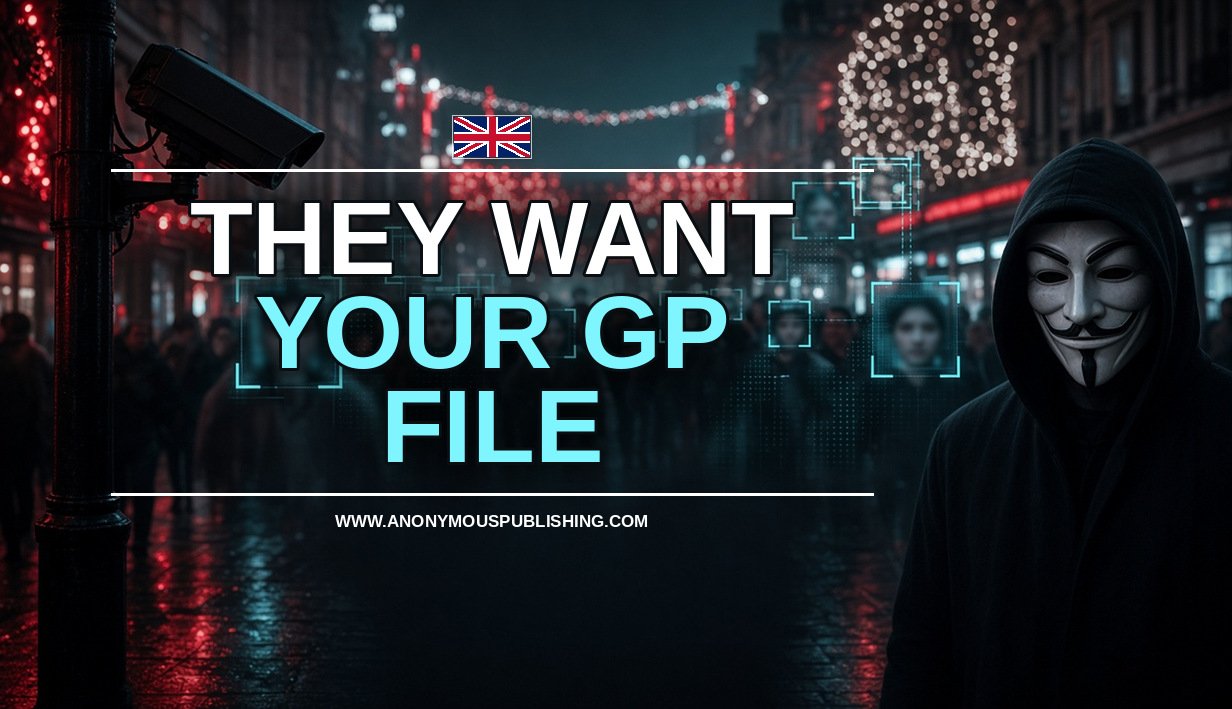
The Investigatory Powers Tribunal has ruled the Home Office can no longer neither confirm nor deny that it served Apple a Technical Capability Notice. What the notice says is still secret.
There is an old locksmith's rule that nobody writes down. A lock is only as honest as the people who hold copies of the key.
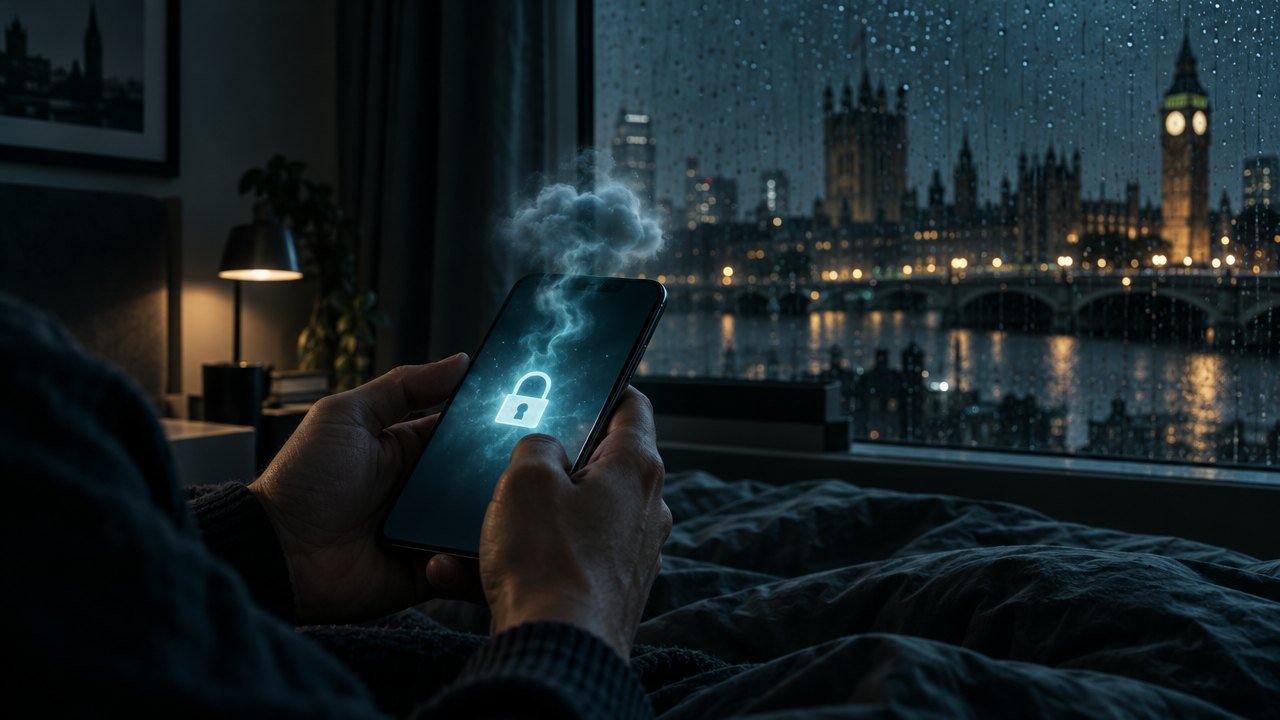
Most of us never think about it. We pull the door shut, hear the bolt slide home, and walk off into the evening trusting that the click meant something. The same faith lives in the slab of glass in your pocket. Your photographs, your notes, the backups of every message you thought was private, all of it drifting up into a cloud you will never see, sealed behind locks you did not design and cannot inspect.
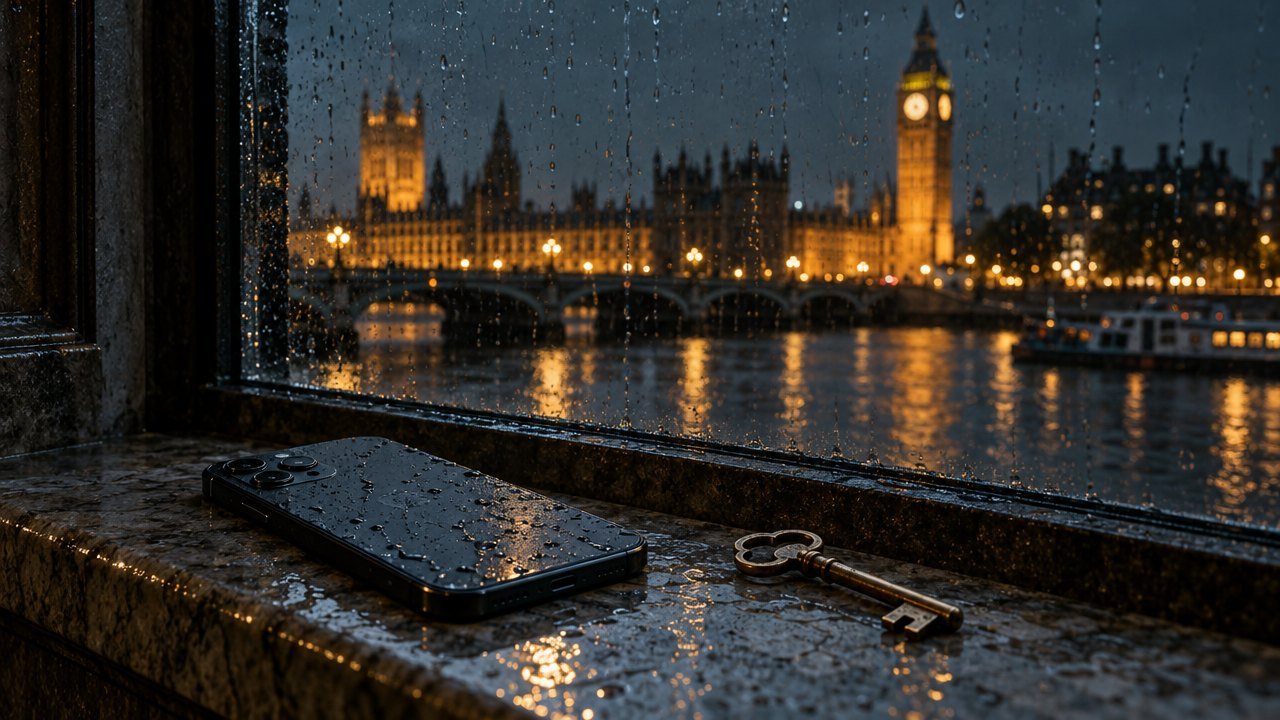
Now imagine that somewhere in Whitehall, a minister has signed a piece of paper telling the company that made those locks to change them. Imagine the company is forbidden by law from telling you. Imagine the government then spends the best part of two years in court insisting it cannot even confirm the paper exists.
You do not have to imagine the paper, at least. What it says is still sealed, but on 19 November 2026, the Investigatory Powers Tribunal ruled that the Home Office can no longer pretend.
The Paper in the Drawer
The instrument at the centre of this story is called a Technical Capability Notice. It lives in section 253 of the Investigatory Powers Act 2016, the law its critics have long called the snooper's charter. A notice of this kind can require a technology company to maintain capabilities that let the state reach into its services. The company that receives one is legally barred from talking about it in public.
In early 2025, reports emerged that the Home Office had served such a notice on Apple. The reporting said it concerned access to encrypted iCloud data, the material protected by an optional feature Apple calls Advanced Data Protection. Within weeks, Apple pulled that feature for British users altogether. It said it was "gravely disappointed", and added a line it has repeated for years: "we have never built a backdoor or master key to any of our products or services and we never will."
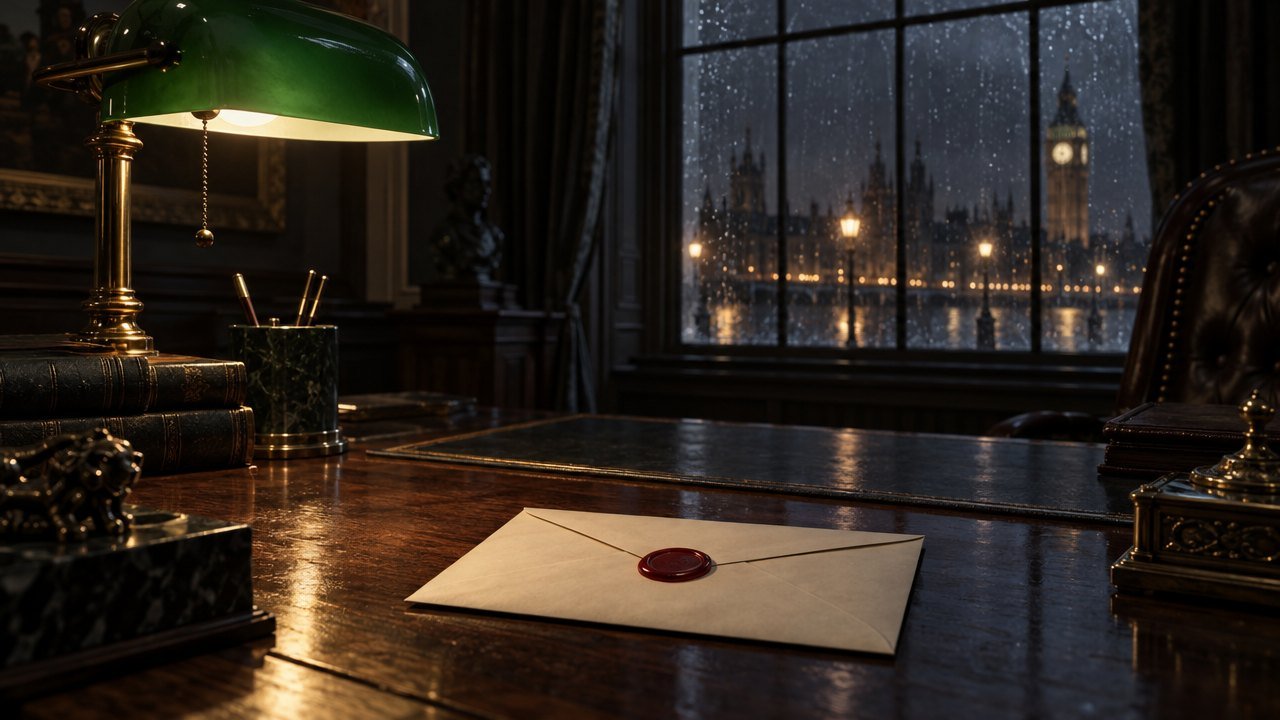
Then Apple went to the Tribunal. And the Home Office reached for the oldest shield in the national-security armoury, a policy known as neither confirm nor deny.
Neither Confirm Nor Deny
Neither confirm nor deny has a respectable logic. If the state confirms the targets it watches in one case and stays silent in another, the silence starts to speak. So the rule must be applied consistently, or it stops working.
The Home Office pushed it as far as it would go. When Apple's first claim arrived in early 2025, the government argued that the very existence of the case should be kept secret, with no public listing of the hearing at all. The Tribunal refused. That claim was later dismissed because of what the judgment calls "a change of circumstances". In July 2026, Apple brought a second one, joined in case management with a parallel challenge from Privacy International, Liberty and two individuals.
Through all of it, the government's line held: it could not say whether Apple had been given a notice at all.
The trouble is that the rest of the world was saying it constantly.
A Secret Everyone Knew
Here the story turns from legal procedure into something closer to farce, the kind that would be funny if the subject were not the locks on millions of phones.
The Times reported that the order had been "confirmed by Home Office sources". In July 2025, the Financial Times quoted "two senior British officials" on the government's search for a way out of its clash with Washington, and an official who said: "The Home Office is basically going to have to back down."
In August 2025, Tulsi Gabbard, then America's Director of National Intelligence, posted to millions on X that the UK had "agreed to drop its mandate for Apple to provide a 'back door'". Statements attributed to the President of the United States pointed the same way. By October 2025, the Financial Times was reporting a fresh attempt by Britain to access Apple cloud data, with an order issued in September.
And then there was the detail that should make any British citizen sit up. According to a letter from US Senator Ron Wyden and Congressman Warren Davidson, cited in the judgment, the UK government gave Apple permission to brief the American Attorney General and Vice President, "while explicitly prohibiting the company from discussing the issue in further detail with the US Congress."
Read that twice. A foreign executive could be told. A foreign legislature could not. And the people of the country that issued the order, the people whose own phones were reportedly in scope, were told nothing at all.
The Tribunal Loses Patience
The three judges, Lady Carmichael, Mr Justice Chamberlain and Mr Justice Johnson, wrote with a kind of controlled exasperation that judicial prose rarely allows itself.
The Home Office had told the Tribunal that a leak investigation into the Times report found that "no Government source has been identified". It offered no investigation report, no account of what steps were taken, and no statement from any minister denying that briefings had been authorised. The Tribunal said such an assertion "has little or no evidential value" without that detail.
Then it went further. It found it "extremely unlikely" that multiple officials would brief the press without authorisation, risking discipline and prosecution for no personal gain. It inferred that the briefings to the Times and the Financial Times did happen, and that they were authorised by ministers, senior officials or special advisers. Allowing Apple to brief senior Americans without any apparent assurance of confidentiality, it said, was "a further clear departure" from the policy.
The conclusion lands like a dropped tray in a quiet room. "Anyone with even a passing interest in this topic already knows that the respondent has served a technical capability notice on Apple." The difference between suspecting and knowing, in these circumstances, was "a distinction without a difference". The judges noted they had been told the answer could be found "by simply typing the question into Google's chatbot", and called the idea that official confirmation would help even an unsophisticated bad actor "fanciful".
The Home Office's own national-security assessment, the Tribunal found, was "flawed in the public law sense", because it failed to grapple with the government's own authorised departures from secrecy. Counsel to the Tribunal had even pointed out that the documents explaining the true position were marked "OFFICIAL SENSITIVE", not secret or top secret.
So the fact is now official. Apple was given a Technical Capability Notice. Much of the full hearing, due in the first half of 2027, can now happen in open court.
What We Still Cannot See
This is where honesty matters, because it would be easy to overclaim.
We know a notice exists. We do not know what it says. The Tribunal was explicit that "there has been no publication of its precise content", and accepted that some of the detail may need to stay secret. Whether anything has been built, changed or switched on is not something the public record shows, and nobody should pretend otherwise. Apple, for its part, maintains it has never built a backdoor and never will.
The Tribunal also handed down separate PRIVATE and CLOSED judgments that cannot be published at all. Even this victory has rooms we are not allowed into.
But look at what the case has already shown. Apple's challenge has five grounds, including whether the power can reach beyond Britain's borders, whether it can be used to regulate the security a company offers its own customers, and whether the notice is a proportionate interference with human rights. Those are not technical questions. They are questions about what kind of country this is.
The Shape of the Injustice
What makes the blood run hot here is not that a government wants to fight crime and terrorism. Every government does, and some of that work must happen out of sight.
It is the double game. Secrecy as a shield in the courtroom, where scrutiny is dangerous. Openness as a tool in the press briefing, where a well-placed leak smooths a diplomatic row. Privacy International's legal director, Caroline Wilson Palow, put it plainly: the government "can't have its cake and eat it too".
It is the asymmetry. The state can reportedly order your phone maker to change the locks on your life, gag that company, choose which foreign officials may hear about it, and then tell a court that you, the person whose data it is, cannot be told even that the order exists. Privacy International cites polling suggesting only 12 per cent of the British public think the government should be able to secretly order tech firms to hand over access and forbid them from saying so.
And it is the quiet cost. British users lost a security feature that people in much of the world still have. Nobody voted on that. It followed a paper served behind a closed door, and the first most people heard of it was an error message on a settings screen.
"If a government wants to ban a technology or a form of digital security," Wilson Palow said, "it should be upfront about that."
That is not a radical demand. It is the minimum.
Daylight, Rationed
There is a temptation to call this a defeat for the surveillance state. It is not. The power remains on the statute book. The content of the notice remains sealed. The full case is still months away.
What happened on 19 November is smaller, and in its way more important. A court looked at a government claiming that a secret was too dangerous to admit, noticed that the government had been whispering it to journalists and foreign capitals all along, and said: enough.
Locks only work when someone you trust holds the key. Democracy works on a similar principle, except the key is supposed to be held by us. For two years, Britain argued that we could not even be told an order had been served on the people who make our locks. Now we know the order is there.
What lies on the other side is the next fight.
And Remember:
Trust no Single Source
Trust Your Gut
and Stay Curious
Gus
For media enquiries, please contact:
UK - 020 3404 2295
USA - 0650 702 7445
AUS - 02 9072 9499
Help Support Gus and the rest of our Authors by visiting the store to get your copy of the latest Anonymous Author Novel or Anything Anonymous.