They Voted, the Servers Still Hum: Who Pays to Keep the Lights On?
Data centres, power bills and grid reliability after the midterms, plus a calm household outage plan.

Picture this: election night is over, the campaign signs are leaning sideways, and somebody on television is explaining what America has decisively demanded.
Meanwhile, you're at the kitchen table explaining to the electric bill that America would also like to afford groceries.
Across town, the servers keep humming.
They don't watch concession speeches.
They don't care whose yard sign survived the lawn mower.
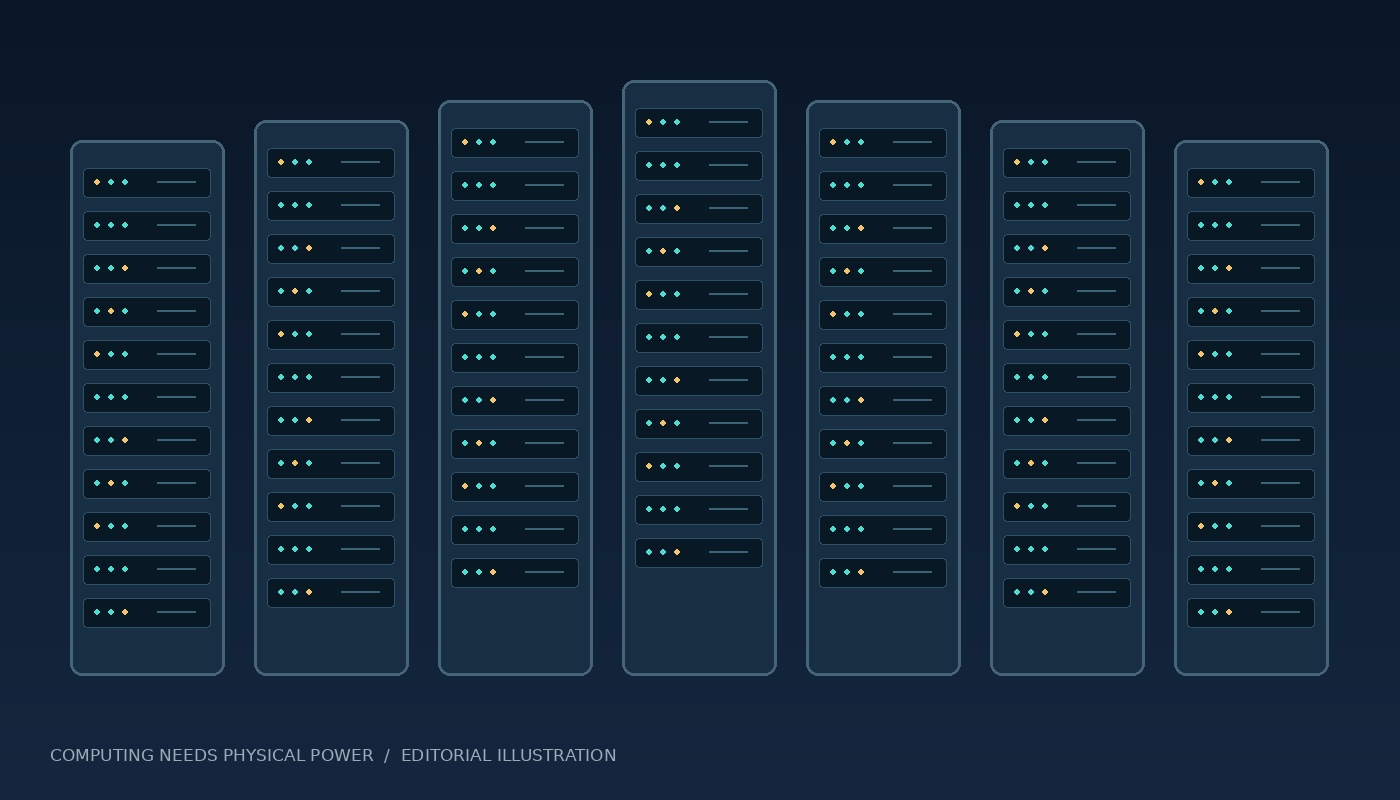
They need electricity, and a victory speech is not a new transformer.
That's the useful question underneath the post-election noise: as enormous computing facilities connect to the grid, who pays for the equipment and capacity they need?
And while officials argue about it, what should an ordinary household do?
Not panic.
Not blame every flickering bulb on a chatbot.
Read the fine print, ask better questions, and find the flashlight before the lights go out.
The neighbours got there before the campaign buses
The Associated Press reported on November 6 that opposition to AI data centres helped shape campaigns, including Democratic victories in several Republican-held governorships.
Its account also cautioned that data-centre regulation wasn't on most ballots or among most voters' top issues.
An election is not a laboratory experiment with one variable.
CNBC reported on November 5 that Senator Bernie Sanders had called for a national data-centre moratorium.
That's a political demand, not a national ban already in force.
Announcing a pause and writing an enforceable rule are different jobs, rather like announcing dinner and actually locating the can opener.
Nor did concern begin when Democrats counted their wins.
AP’s earlier campaign reporting described Republican Governor Greg Abbott directing Texas regulators to scrutinise projects and protect electricity customers.
In Ohio, both major-party candidates proposed tougher standards.
Both parties have discovered versions of a question neighbours were already asking: why should a household accept the costs before somebody explains the benefits?
I'd welcome that discovery from either side.
I would also like it put in writing.
Bipartisan concern is encouraging; bipartisan promises have been known to expire shortly after the last folding chair leaves the campaign hall.
A big electricity customer is not a verdict on your bill
Data centres do useful work.
The cloud holds more than silly pictures and arguments: businesses, communications and services depend on computing infrastructure.
Opposing an unfair deal doesn't require pretending computers are ornamental.
But a very large new electricity customer needs a credible supply plan.
Generation, transmission and local equipment cannot be replaced by a brochure showing smiling people beside a blue rectangle.
The cost question is more complicated than dividing a building's meter reading among its neighbours.
Who funds the connection?
Who underwrites new infrastructure?
What happens if a developer reserves enormous capacity and then abandons the project?
Do existing customers inherit costs after the ribbon-cutting photographs have disappeared?
Ohio offers a concrete example.
The Public Utilities Commission of Ohio describes a separate data-centre customer class, with collateral, minimum demand charges, long-term contracts and exit fees intended to protect other customers from infrastructure cost shifting.
Those are mechanisms worth examining, not proof that every household everywhere is protected.
Different utilities, regulators and electricity markets have different arrangements.
Likewise, a higher bill is not automatic evidence that the warehouse down the highway caused it.
Your consumption, weather, contract, fuel costs and approved network charges can matter.
A local claim needs local records.
A blackout needs an investigation, not a convenient suspect with impressive cooling fans.
My objection isn't that a business wants electricity.
So does my refrigerator.
My objection is to a deal nobody can explain until the public is asked to help pay for it.
Take three questions to the meeting
Before approving a project, residents deserve answers in ordinary language.
Start with three questions, then insist on the relevant documents rather than a fresh stack of adjectives.
First: who pays if the project shrinks or never opens?
Ask about minimum payments, financial security and exit obligations.
An optimistic forecast is not collateral, even when printed on expensive paper.
Second: what must be built before connection, and who checks readiness?
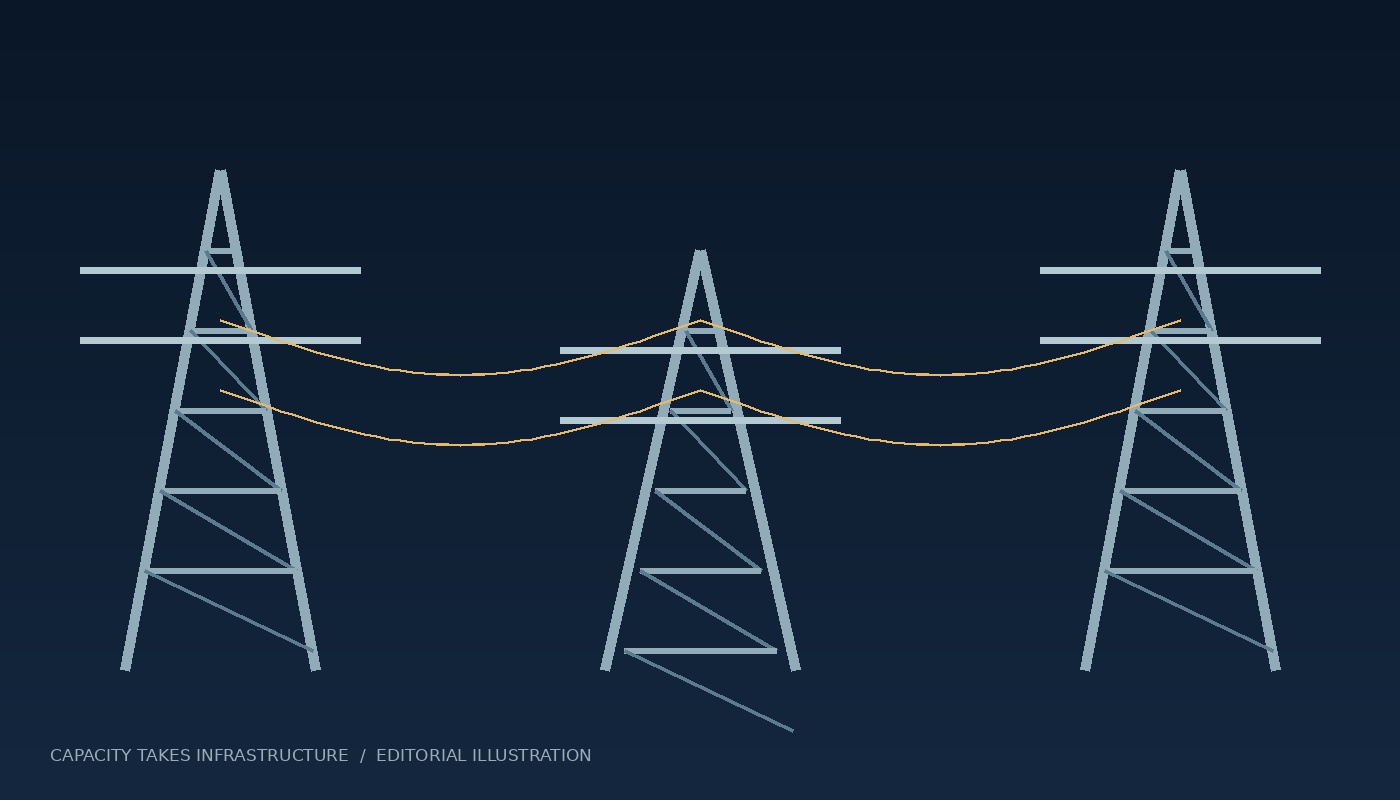
Ask the utility and grid operator about the planned demand, supply arrangements and necessary network work.
Don't assume a promise to buy renewable electricity answers every question about availability during a difficult hour.
Third: where can residents see the decision and challenge the cost allocation?
Find the utility commission docket, local planning application or equivalent public record.
Keep the reference number.
Democracy works better when someone has the paperwork and hasn't merely shouted at a Facebook thumbnail.
A pause may create time to answer those questions.
It isn't itself an answer, and it doesn't switch off an operating facility.
What follows matters: clear conditions, public scrutiny and enforceable responsibility.
Read your own meter before buying a miracle
Now for the kitchen-table part.
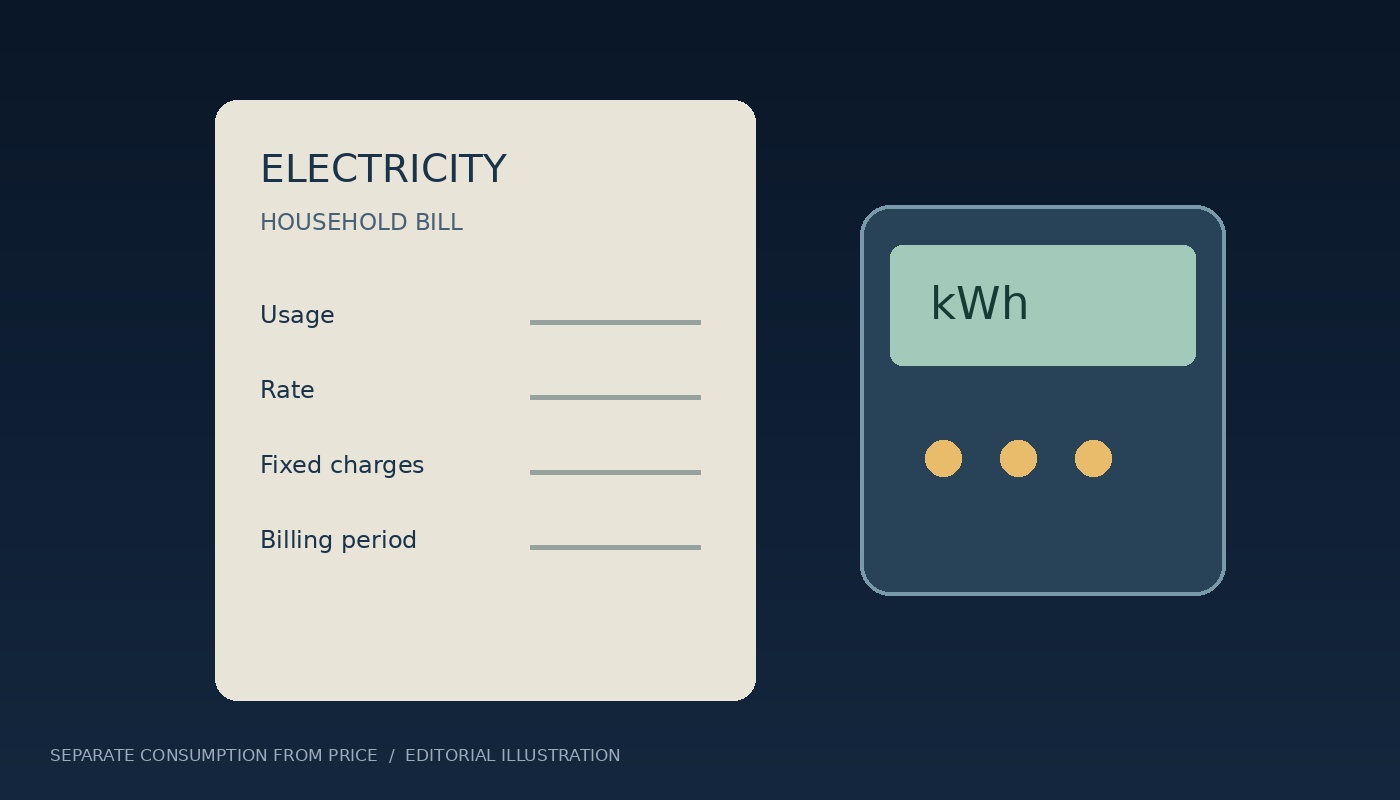
Pull out two or three electricity bills and separate the amount you used from the price and fixed charges.
Compare billing periods and actual versus estimated readings.
A longer month or a harder-working air conditioner can hide inside a scary total.
If your provider offers interval-use data, examine when demand rises.
Look for the heater running in an empty room, the ageing appliance or the settings somebody changed during an argument about the thermostat.
Gather evidence before accusing either your teenager or Silicon Valley.
Check your plan's terms before shifting consumption.
A time-of-use tariff may reward moving a flexible chore; another plan may not.
Don't move medically necessary cooling or heating to an unsafe hour to chase a discount.
Start cheaply: sensible thermostat settings, clear vents, appropriate filters and switching off unnecessary loads.
Ask about assistance or an energy assessment if the bill is becoming unmanageable.
Renters shouldn't be expected to renovate somebody else's building to survive the monthly invoice.
This isn't a substitute for fair regulation.
Making families use less does not excuse making them subsidise a private project.
It simply gives you something useful to do while the people with microphones discover their next adjective.
Prepare for an outage without predicting one
A household outage plan makes sense whether the eventual cause is a storm, damaged equipment or something else.
Preparing doesn't prove the grid is about to fail.
Wearing a seat belt doesn't mean you've scheduled a collision.
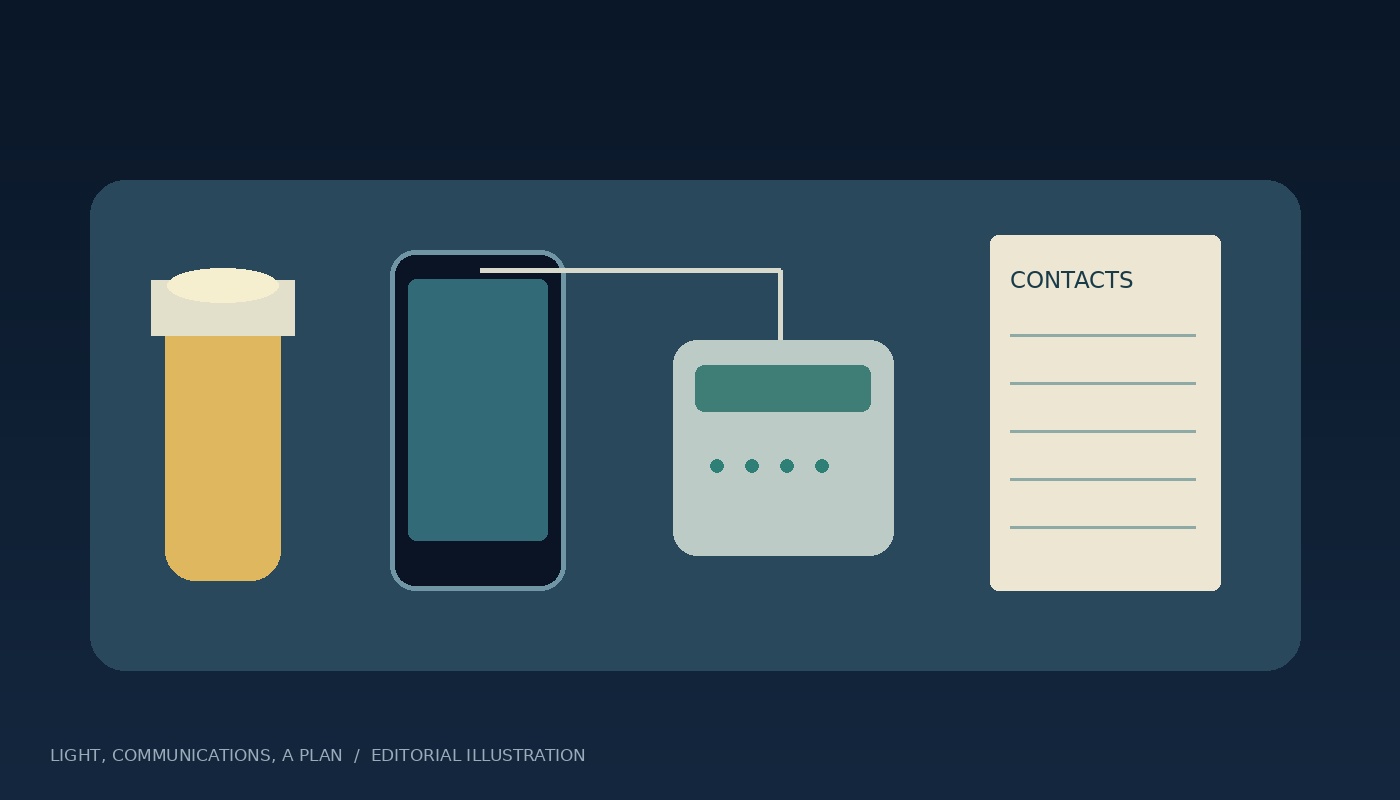
Ready.gov recommends taking an inventory of electricity-dependent needs, arranging backup charging and having flashlights for household members.
Put the lights somewhere reachable, test them and keep suitable spare batteries.
A drawer containing seven dead batteries and a birthday candle is a museum exhibit, not a plan.
Write down the outage-reporting number and save local emergency alerts.
Agree on a check-in contact and somewhere safe to go during dangerous heat or cold.
Include pets, older neighbours and anyone who cannot easily travel.
Downloading an app is helpful; assuming everyone has a charged smartphone is not.
For medical equipment or refrigerated medicines, speak with the clinician, supplier or pharmacist before an outage.
Ask about backup requirements, safe storage and when to relocate.
Being on a utility's assistance register should never be treated as a guarantee that power cannot fail.
Keep refrigerator and freezer doors closed.
Ready.gov says an unopened refrigerator keeps food cold for about four hours; a full freezer can maintain temperature for about 48 hours.
Use a thermometer and official food-safety guidance.
Don't taste questionable food to test it.
Your stomach is not a laboratory with a complaints department.
Backup power needs a safety plan too
A charged power bank can help with communications; it doesn't magically run a household.
Before considering larger batteries, list essential devices and check their power needs, compatible outputs and expected runtime.
Don't spend the grocery money on a shiny box because an advertisement photographed it beside a mountain.
Fuel-burning generators introduce a different danger: carbon monoxide.
CDC guidance says to operate them outdoors, more than 20 feet from windows, doors and vents, never inside a home or garage even with doors open.
Use working battery-powered or battery-backup carbon-monoxide detectors.
Never heat the house with a gas oven or use a charcoal grill indoors.
Follow equipment instructions, and use a qualified electrician for any connection to household wiring.
No improvised backfeeding through an outlet.
The objective is keeping people safe, including the crew trying to restore your street.
The bill belongs in the public debate
The election changed who gets to make some decisions.
It didn't finish the substations, settle every tariff or make a family's emergency plan unnecessary.
Welcome useful protections from whichever party delivers them.
Question vague promises from whichever party offers them.
Ask who carries the risk when a private project needs public infrastructure, and keep asking after the campaign bunting comes down.
Then charge the phone, check on your neighbour and find that can opener.
The servers may still hum.
A prepared household can get on with dinner without confusing readiness with surrender.
And Remember:
Trust no Single Source
Trust Your Gut
and Stay Curious
J-Mark
For media enquiries, please contact:
UK - 020 3404 2295
USA - 0650 702 7445
AUS - 02 9072 9499
Help Support J-Mark and the rest of our Authors by visiting the store to get your copy of the latest Anonymous Author Novel or Anything Anonymous.
 Visit the store